
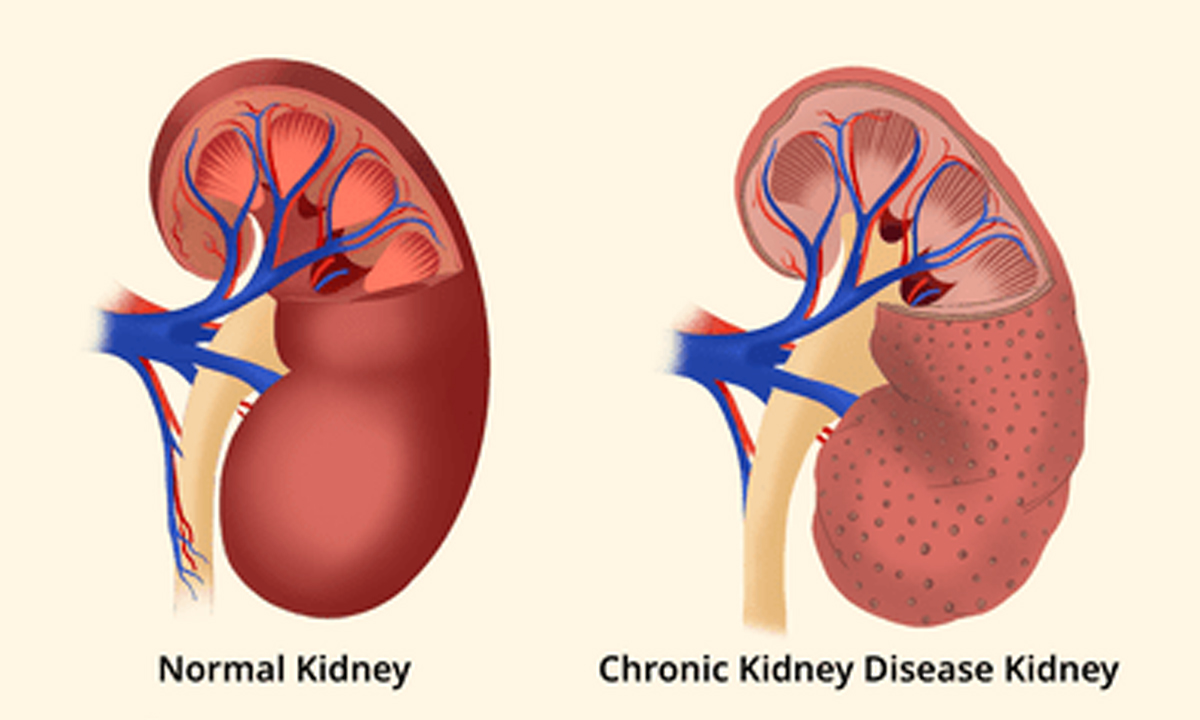
Chronic Kidney Disease (CKD) is a long-term, progressive decline in kidney function that occurs over months or years. Unlike AKI, CKD develops gradually and often goes unnoticed in its early stages. The kidneys play a crucial role in filtering waste, balancing electrolytes, controlling blood pressure, and producing hormones. With CKD, these functions decline steadily, leading to harmful buildup of toxins and disturbances in body chemistry. CKD is commonly caused by conditions such as diabetes, hypertension, recurrent kidney infections, polycystic kidney disease, autoimmune disorders, or prolonged use of certain medications like painkillers.
In the beginning, CKD may not produce any noticeable symptoms, which makes early detection through routine blood and urine tests essential. As the disease progresses, symptoms such as swelling, fatigue, poor appetite, nausea, increased urination, muscle cramps, and sleep disturbances may develop. Doctors classify CKD into five stages based on the glomerular filtration rate (GFR). The lower the GFR, the more severe the disease. Stage 5 refers to end-stage kidney failure, requiring dialysis or kidney transplantation.
Management of CKD aims to slow the progression of the disease and reduce complications. This includes controlling blood sugar and blood pressure, making dietary changes such as reducing salt and protein intake, avoiding nephrotoxic drugs, and treating anemia or bone-related issues caused by kidney dysfunction. Lifestyle changes, including regular exercise, weight management, and quitting smoking, also play an important role. While CKD cannot be reversed, progression can be slowed significantly with proper medical care. Early diagnosis and continuous monitoring greatly improve outcomes and help delay the need for dialysis.