
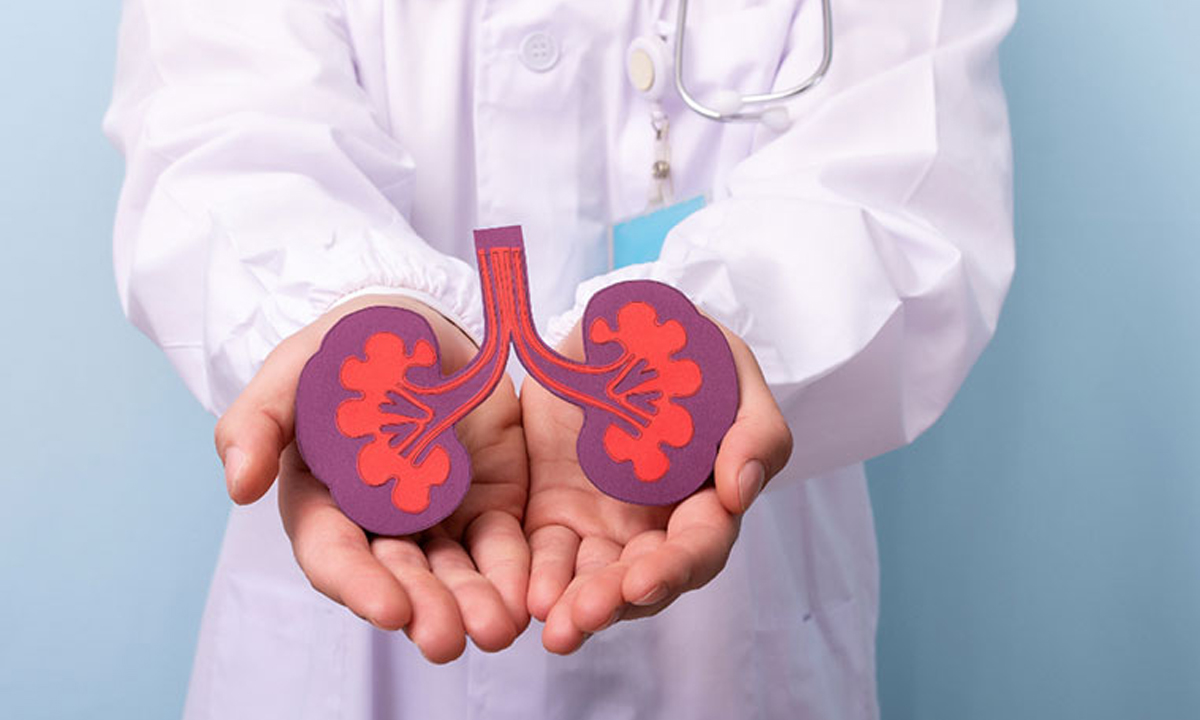
Kidney transplantation is a life-saving procedure for patients with end-stage renal disease, offering a better quality of life and long-term survival compared to dialysis. Proper pre- and post-transplant care is essential to ensure the success of the surgery, minimize complications, and maintain the health of the transplanted kidney. This care begins well before the actual procedure and continues throughout the patient’s life.
Pre-transplant care focuses on evaluating the patient’s overall health and determining their suitability for a kidney transplant. A detailed medical history, blood tests, imaging studies, and cardiac evaluation are conducted to identify any conditions that may increase surgical risk. Matching donor compatibility through blood grouping and tissue typing is a crucial step in preventing organ rejection. Patients are also screened for infections, uncontrolled comorbidities, and lifestyle factors such as smoking or obesity, which may impact transplant outcomes. Before surgery, patients receive counseling on what to expect during and after the procedure, including the long-term commitment to medications and follow-up visits. Nutritional guidance and psychological support are often provided to help patients prepare mentally and physically for the surgery.
Post-transplant care is vital for ensuring the health and longevity of the transplanted kidney. Immediately after the transplant, patients are monitored in a specialized unit where kidney function, urine output, and vital signs are closely observed. Immunosuppressive medications are started right away to prevent the body from rejecting the new organ. These medicines must be taken lifelong, and their doses are carefully managed to balance effectiveness with the risk of side effects. Regular blood tests help detect early signs of rejection, infection, or medication toxicity. Patients are advised to avoid crowded places, maintain good hygiene, and follow infection-prevention measures, as immunosuppression increases their vulnerability.
Long-term post-transplant care includes regular check-ups, healthy diet planning, maintaining an ideal weight, and avoiding excessive salt and unhealthy fats. Patients are encouraged to engage in light physical activity and gradually increase their stamina as advised by their physician. Monitoring blood pressure, blood sugar, and cholesterol is essential because uncontrolled levels can harm the transplanted kidney. Emotional and psychological support also plays a significant role, as adjusting to life after transplant can be challenging for some individuals.
With proper pre- and post-transplant care, most patients experience a significant improvement in their health, energy levels, and overall quality of life. Consistent medical follow-up and adherence to treatment are key to ensuring long-term transplant success.