
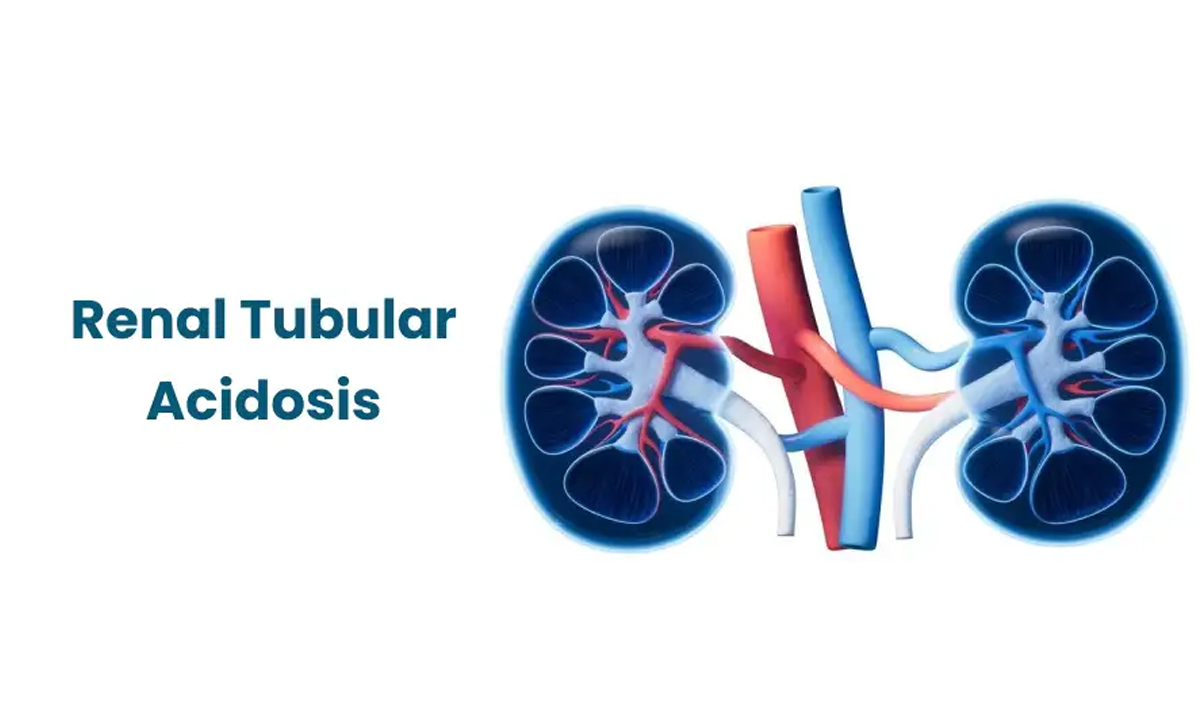
Renal Tubular Acidosis (RTA) is a group of disorders in which the kidneys fail to maintain the body’s acid–base balance. Normally, the kidneys filter blood, remove excess acid, and maintain an optimal pH level. In RTA, defects in the renal tubules impair either the secretion of hydrogen ions or the reabsorption of bicarbonate, leading to a chronic buildup of acid in the body. This acid accumulation disrupts normal cellular functions and can significantly affect growth and bone development, especially in children.
There are four main types of RTA—Type 1 (Distal RTA), Type 2 (Proximal RTA), Type 3 (a rare combination of Type 1 and Type 2), and Type 4 (Hyperkalemic RTA). Distal RTA occurs when the distal tubules fail to excrete acid adequately. This leads to severe metabolic acidosis, low potassium levels, and kidney stone formation due to persistent acid retention. Proximal RTA results from impaired bicarbonate reabsorption in the proximal tubules, causing excessive bicarbonate loss in urine. Type 4 RTA, typically related to aldosterone deficiency or resistance, is associated with high potassium levels and mild acidosis.
Symptoms vary depending on the type and severity. Common signs include failure to thrive in children, dehydration, muscle weakness, fatigue, irritability, and bone deformities such as rickets. Children may present with delayed growth, and adults often experience kidney stones, bone pain, and chronic fatigue. Laboratory findings generally reveal metabolic acidosis with normal kidney glomerular function, abnormal urine pH, and electrolyte imbalances such as hypokalemia or hyperkalemia.
Diagnosis is based on clinical evaluation, blood gas analysis, serum electrolytes, urine pH, and bicarbonate levels. Additional tests such as ammonium chloride loading or bicarbonate infusion may help identify the specific type of RTA. Early detection is crucial to prevent long-term complications, including bone demineralization, nephrocalcinosis, and impaired growth.
Treatment aims to correct acidosis and restore electrolyte balance. Alkaline therapy using sodium bicarbonate or potassium citrate is commonly prescribed, depending on the type of RTA and associated potassium levels. Dietary modifications may include increasing fluid intake, reducing salt, and ensuring adequate potassium levels when necessary. In children, timely treatment significantly improves growth and prevents skeletal abnormalities.
With proper management and follow-up, individuals with RTA can lead healthy lives. Long-term monitoring is important to ensure stable electrolyte levels, normal growth patterns in children, and prevention of kidney complications.