
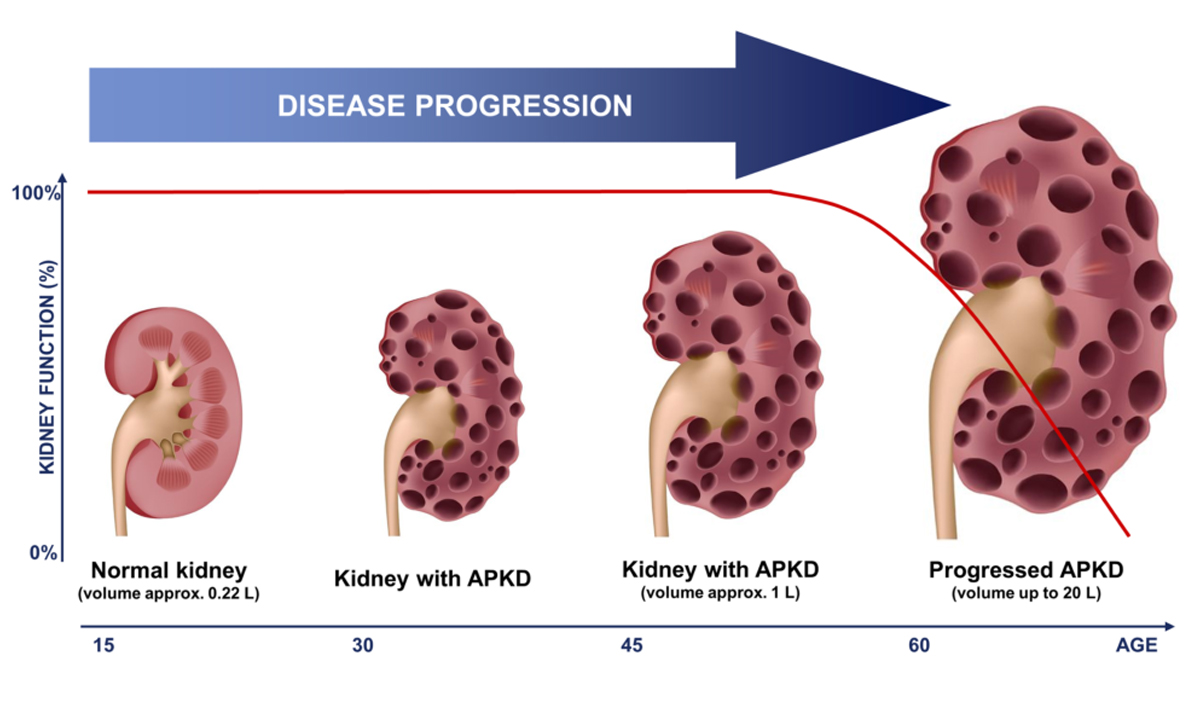
Cystic kidney diseases include a group of congenital conditions where fluid-filled sacs (cysts) develop within the kidneys. These cysts can vary in size, number, and location and may affect one or both kidneys. The most common congenital cystic kidney disorders include multicystic dysplastic kidney (MCDK), autosomal recessive polycystic kidney disease (ARPKD), and simple renal cysts found incidentally.
Cystic kidneys are often detected during routine prenatal scans. In multicystic dysplastic kidney, one kidney is replaced by multiple cysts and does not function. Fortunately, the other kidney usually develops normally and compensates. ARPKD, which is less common but more serious, affects both kidneys and may also involve the liver. This condition can lead to enlarged kidneys, breathing difficulties at birth, high blood pressure, and long-term kidney dysfunction.
Symptoms depend on the underlying type and severity. Mild cystic conditions may have no symptoms at all. More severe forms may cause an enlarged abdomen, urinary tract infections, poor growth, or issues with salt and water balance. In ARPKD, liver involvement may lead to portal hypertension and complications as the child grows.
Diagnosis involves ultrasound, MRI in complex cases, blood tests, and kidney function evaluation. Genetic testing may be recommended for families with a history of cystic kidney disorders. Regular monitoring is essential to track kidney growth, detect progression, and prevent complications.
Treatment depends on the specific condition. For MCDK, no surgery is needed unless the cystic kidney grows unusually large. Most MCDK kidneys shrink over time and may disappear completely. In ARPKD, treatment focuses on controlling blood pressure, managing infections, and supporting breathing and nutrition in newborns. Some children may eventually require dialysis or kidney transplantation depending on disease severity.
Long-term outlook varies. Many children with mild cystic kidney disease lead normal lives with regular monitoring. Those with ARPKD need lifelong care from pediatric nephrologists to maintain kidney and liver function.
In summary, cystic kidney diseases range from mild, harmless conditions to more complex genetic disorders. Early detection through prenatal or early childhood screenings, along with good follow-up care, plays a crucial role in ensuring the best possible outcome for affected children.