
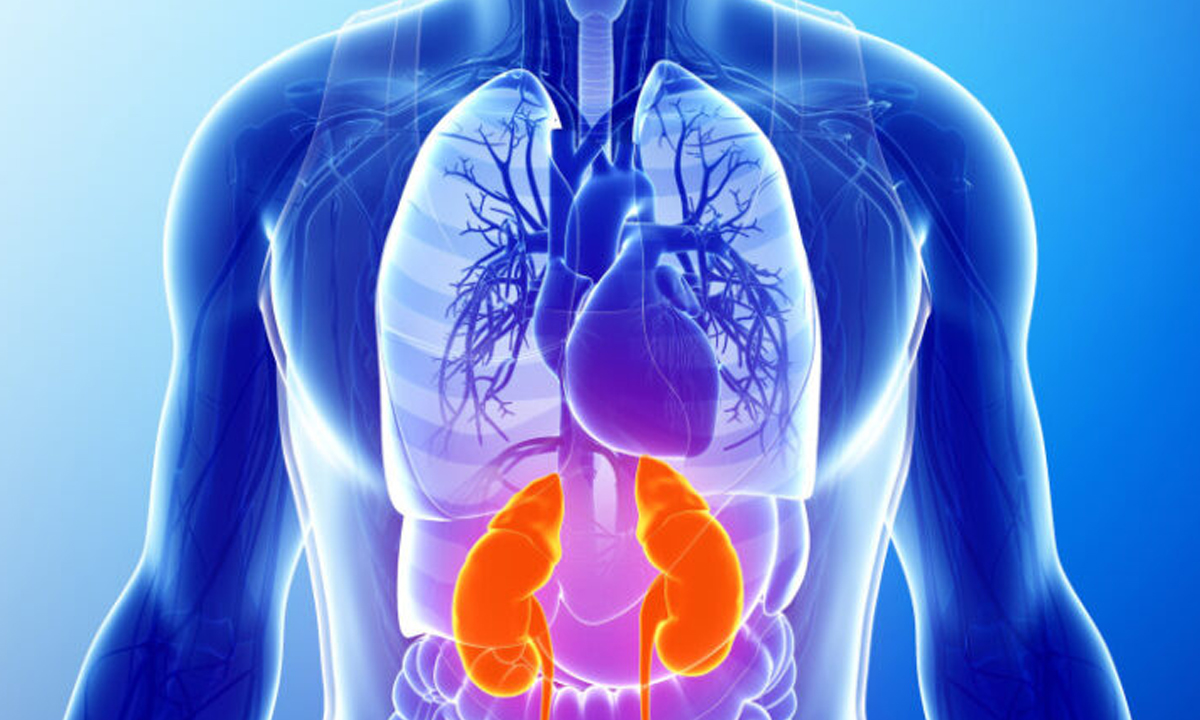
Metabolic kidney disorders are a group of conditions that affect the normal functioning of the kidneys due to disturbances in the body's metabolism. These disorders often arise when the kidneys are unable to properly filter waste products, maintain electrolyte balance, or regulate fluid levels in the body. Common metabolic kidney disorders include chronic kidney disease, diabetic nephropathy, kidney stones, renal tubular acidosis, and electrolyte imbalances. Each of these conditions can have a significant impact on a person's overall health and quality of life.
One of the primary causes of metabolic kidney disorders is diabetes mellitus. Persistent high blood sugar levels can damage the delicate blood vessels in the kidneys, leading to diabetic nephropathy. This condition gradually impairs the kidneys' ability to filter waste, eventually causing protein to leak into the urine, a condition known as proteinuria. Left untreated, diabetic nephropathy can progress to end-stage renal disease, requiring dialysis or kidney transplantation.
Another common metabolic kidney disorder is the formation of kidney stones. Kidney stones develop when certain minerals and salts in the urine crystallize and form solid deposits. These stones can cause severe pain, urinary obstruction, and, in some cases, infections. Factors contributing to kidney stone formation include dehydration, dietary habits, obesity, and genetic predisposition. Treatment often involves increased fluid intake, dietary modifications, medications, and in some cases, surgical interventions.
Renal tubular acidosis is a disorder in which the kidneys fail to properly excrete acids into the urine, leading to a buildup of acid in the blood. This condition can cause growth retardation in children, bone disease, and chronic kidney damage if not appropriately managed. Electrolyte imbalances, such as abnormal levels of potassium, calcium, and phosphate, are also common in metabolic kidney disorders and may result in muscle weakness, cardiac issues, and bone problems.
Early diagnosis and management of metabolic kidney disorders are crucial to prevent complications and preserve kidney function. Regular monitoring of kidney function through blood and urine tests, maintaining a healthy lifestyle, controlling blood sugar and blood pressure, and following medical guidance can significantly reduce the risk of progression. With timely interventions, many individuals with metabolic kidney disorders can lead healthy and productive lives.